

Trump is not just threatening Iran with the destruction of civilian infrastructure. He is, in effect, threatening the most sensitive energy chokepoint in the global economy — which means Asia first, Europe shortly after, and ultimately all of us.
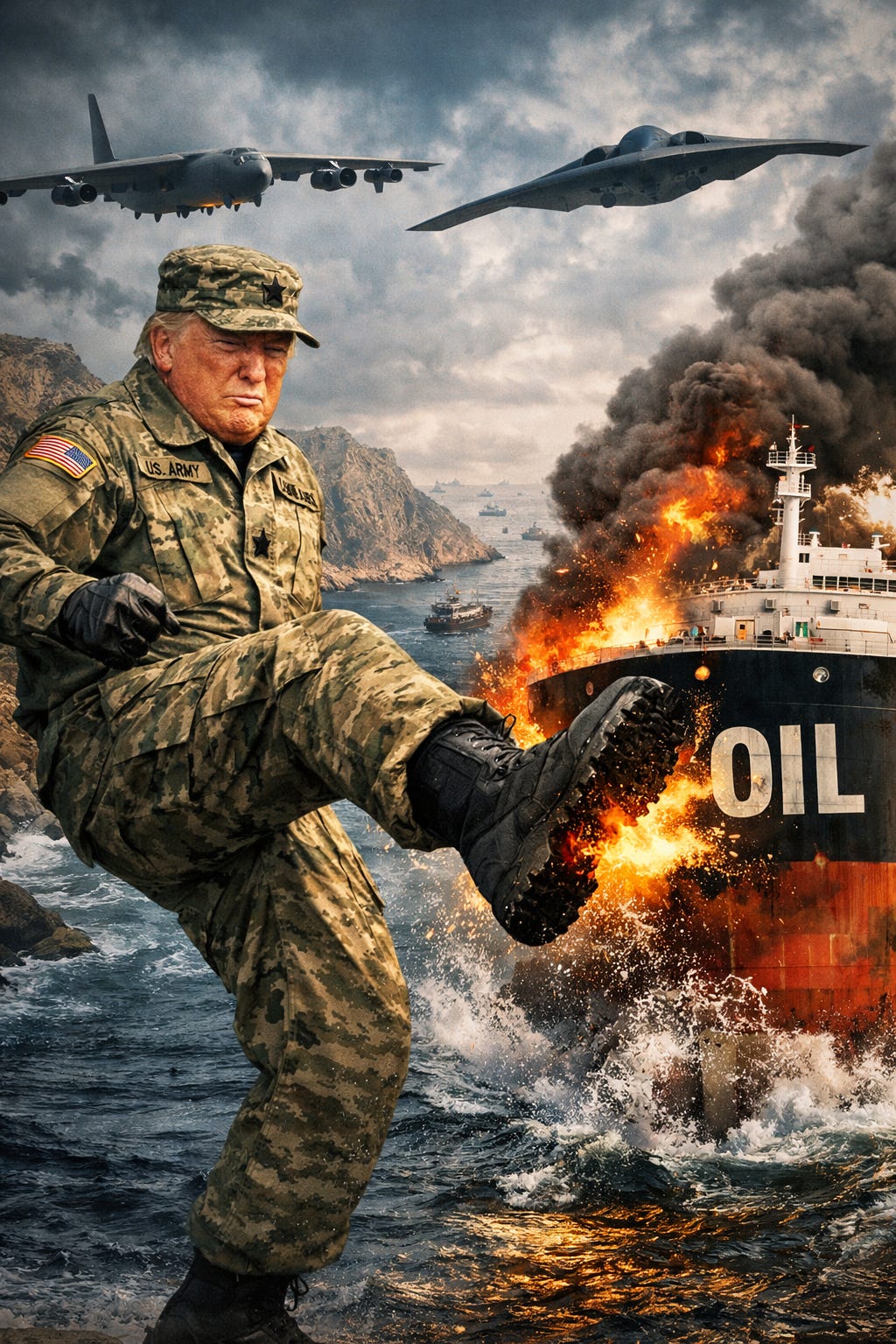
Trump no longer sounds like a president trying to deter. He sounds like a man who has turned destruction itself into a political message.
The threat is now out in the open: Iran is supposed to reopen the Strait of Hormuz, or face attacks on critical infrastructure — power plants, bridges, and other civilian lifelines. That alone is already a political, legal, and moral abyss. But it is still not the most dangerous part.
If Trump escalates the way he has threatened to, he will not just be bombing Iran. He will be driving a U.S. combat boot into the global economy’s most vulnerable pressure point: oil, gas, shipping, inflation, supply chains, and growth — all at once.
Because the Strait of Hormuz is not some regional detail. It is a global artery. Destabilize that chokepoint, and you do not trigger a mere Middle East shock. You trigger a chain reaction.
The first impact hits Asia. A massive share of Asia’s energy security runs straight through that narrow corridor. It would not be Europe in the first line of fire of the economic shockwave. It would be Asia. And once that happens, it is not just oil and gas prices that surge. Electricity costs rise. Transport costs rise. Production costs rise. And eventually so do the prices of food, consumer goods, and industrial inputs.
That is where the real problem for the rest of the world begins.
Asia is not just an energy consumer. Asia is the workshop, logistics hub, supplier base, and manufacturing engine of the world economy. If energy there is rationed, shipping rerouted, insurance premiums spiking, deliveries delayed, and production costs rising, that does not stay in Asia. The shockwave comes back to Europe and North America in the form of more expensive imports, longer delivery times, and another round of inflation.
In other words: Trump would not just be fueling another war. He would be accelerating a global price shock and a global growth shock.
And that is what makes this threat historically reckless. It does not just ignore international law. It ignores any basic sense of macroeconomic responsibility. Anyone treating a chokepoint like Hormuz as a stage for total destruction is not playing with regional power projection. He is playing with energy flows, insurance markets, container traffic, inflation expectations, and the political stability of entire world regions.
This is no longer ordinary geopolitical pressure. This is economic explosives.
So the real question is not only whether Trump’s rhetoric crosses the line of international law. The real question is why so many Western governments still act as if this escalation can be softened by diplomatic phrasing instead of naming it for what it is: a threat against civilian infrastructure, against international law, and against an already fragile global economy.
If this escalation becomes reality, we will not be looking at an isolated military strike. We will be watching the opening wave of a crisis tsunami.
Anyone still looking at Trump’s threats and seeing only Iran is missing the real dimension of what is at stake. In the target corridor are not just bridges and power plants, but the nerve pathways of the world economy itself.
If you think this escalation needs to be named clearly for what it is, subscribe to my newsletter, share this article, and tell me in the comments how you see the consequences hitting all of us.